If you’re a drink brand getting ready to sell into the US, Canada or EU, picking the right packaging is one of the biggest early calls you’ll make. Both PET cans and traditional aluminium cans are widely accepted for ready‑to‑drink beverages, but they fit very different brand stages, drink types, and local rules. Plenty of brand owners rush this choice, only to run into headaches later with high minimum orders, shelf appeal, shelf life or regional packaging laws. What works best all comes down to what you’re bottling, how much you plan to make, where you’ll sell it, and the story you want your packaging to tell shoppers.
What PET cans bring for visual‑focused brands and small‑batch runs
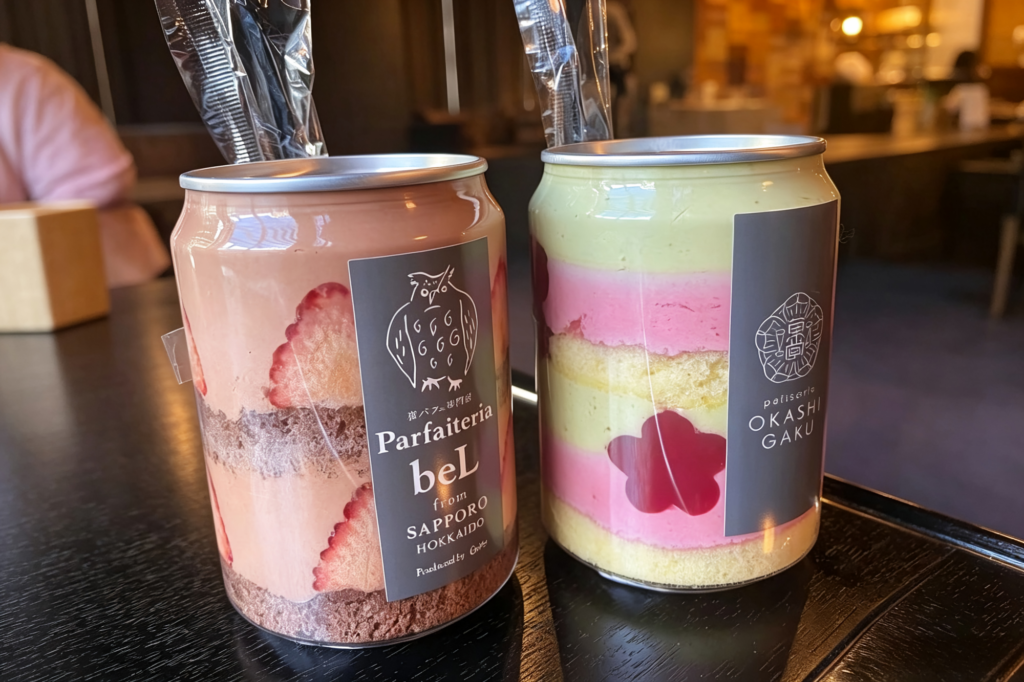
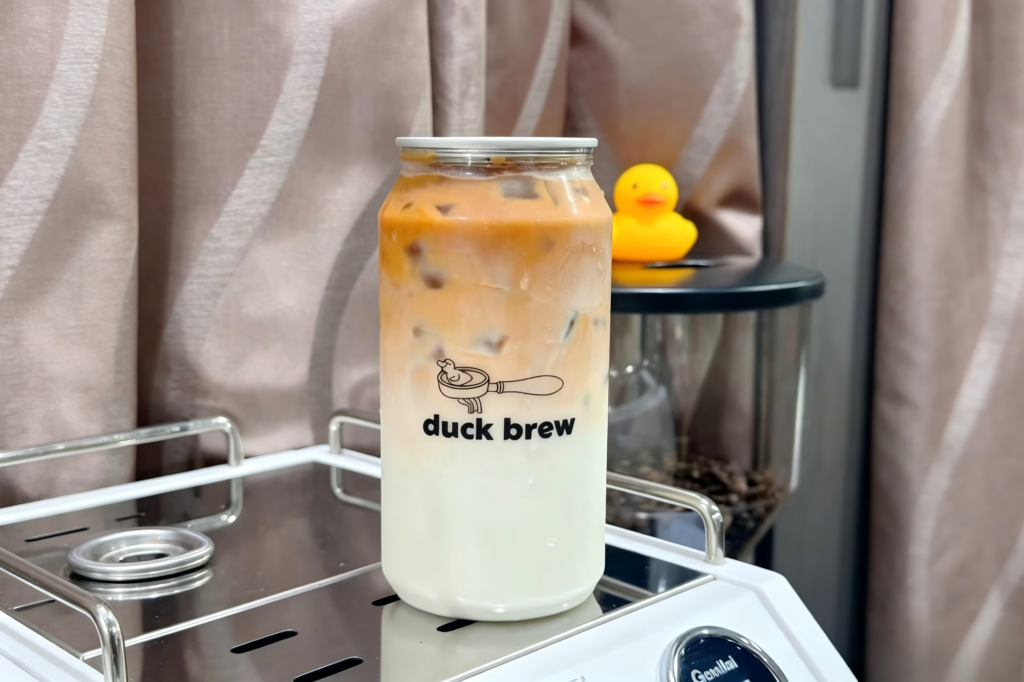
The biggest win with PET cans is simple: people can see exactly what’s inside the second they spot it on a shelf. This works amazingly well for bright cold‑pressed juices, layered functional drinks, cold brew coffee, kombucha, and any drink with fruit pulp or fun swirls. Colour and texture sell these items, and a clear PET soda can lets that visual appeal shine without you having to cram every selling point onto a label.
PET beverage cans are also really friendly for new brands, DTC lines and limited seasonal releases. Many suppliers let you start small — you can order as little as 200 pieces per run. Pair them with a compact bench‑top sealer, and you can seal everything up right in your own workspace or a small co‑packer’s shop. You don’t need to sink money into a huge high‑speed filling line just to test a new flavour or run a short promo batch. That flexibility makes it easy to tweak your label art, try new recipes, collect real feedback from buyers, and hold off on big bulk orders until you know something sells.
These plastic cans are a solid fit for cafes, juice shops, bubble tea stores, restaurants and bars too. Lots of these small food and drink businesses love using PET POP cans to package fresh made‑to‑serve drinks for takeaway.
PET resin itself can be recycled, and it fits into standard plastic sorting streams across North America and Europe. That said, it has clear downsides. It blocks almost no UV light. Leave it out in sunlight for too long, oxidation kicks in and slowly changes how your drink tastes. That rules it out for certain light‑sensitive formulas. It’s also not as good at keeping oxygen out or holding carbon dioxide in compared to metal. For regular uncoated PET beverage cans holding carbonated drinks, most packagers won’t recommend a shelf life longer than 8–12 weeks at room temperature.
When it comes to compliance, you have to stay sharp on regional rules. PET cans going into the EU need to meet Regulation 10/2011 for food contact plastics. Shipments headed for the US and Canada must follow FDA food contact guidelines and migration limits laid out under 21 CFR.
Key upsides of PET cans:
- Fully clear body to show off drink colours, layers, fruit bits and botanicals
- Low minimum order, starting at just 200pcs, perfect for testing new ideas and limited editions
- Works with affordable bench‑top sealers; no massive investment in large filling equipment
- Compatible with regular plastic recycling systems in your target markets
- Great for cafes, coffee shops, juice bars, tea shops and restaurants packaging fresh drinks
Main drawbacks:
- Poor UV resistance; sunlight can alter flavour over time
- Moderate barrier against oxygen and carbon dioxide, not ideal for very long shelf‑life carbonated drinks
Aluminium cans: the go‑to for large‑scale production and long shelf‑life drinks
Aluminium cans are the trusted workhorse for countless established beverage brands across the US, Canada and Europe. Unlike PET, metal blocks every bit of light and UV radiation. It keeps delicate flavours steady for months on end, which makes it a top pick for energy drinks, sodas, hard seltzers, and any drink that spoils or shifts taste when exposed to light. Its gas barrier performance is outstanding too — it holds fizz and keeps oxygen out far better than plastic. Lab testing shows aluminium has nearly zero oxygen transmission, something standard PET cannot match unless you add expensive multi‑layer construction or special barrier coatings.
Recyclability is another big selling point. Aluminium can be recycled over and over without losing its quality. The International Aluminium Institute puts the global beverage can recycling rate around 71%. Its closed‑loop performance stands out: making recycled aluminium uses only about 5% of the energy needed to produce new primary aluminium from bauxite ore. North America and Western Europe already have well‑built collection and reprocessing networks for drink cans, and most shoppers already view aluminium packaging as an eco‑conscious option. It carries a reliable, premium feel, and big grocery chains, convenience stores and national distributors already know exactly how to handle standard aluminium can stock.
The catch? It’s not beginner‑friendly. Custom printed aluminium cans usually come with very high minimum order requirements, often tens of thousands of units at a time. Consistent, fast filling calls for expensive automated canning lines, so it gets pricey fast if you want to rotate flavours or run frequent small test batches. Aluminium prices also swing along with global commodity markets, so locking in steady packaging costs long term can be tricky. And of course, these cans are opaque. Customers can’t see your drink, so your label design has to carry all of your visual selling power.
Key upsides of aluminium cans:
- Complete UV and light protection to preserve flavour and extend shelf life
- Excellent oxygen and carbonation retention for drinks that need long stability
- Infinite recyclability with mature recycling infrastructure in North America and EU
- Proven format widely accepted by major retail distributors
Main drawbacks:
- High MOQs for custom printed runs; testing new products gets expensive
- Opaque, shoppers cannot view the beverage inside
- Raw material prices are volatile and hard to forecast
| Factor | PET Cans | Aluminium Cans |
|---|---|---|
| Product visibility | Clear, full view of contents | Opaque; no visibility |
| Minimum order | Low, suitable for test batches | High for custom printed runs |
| Production setup | Compact seamer compatible | Optimised for automated high‑speed lines |
| UV / light protection | Limited | Excellent |
| Gas barrier (O₂ / CO₂) | Moderate; CO₂ loss over time | Very strong, near‑zero permeation |
| Best fit | Startups, DTC, small batches, visually driven drinks | Scaled brands, carbonated lines, long shelf‑life SKUs |
| Main compliance focus | Recyclability claims, plastic taxes, EPR, cap rules, FDA/Health Canada migration limits | Recycled aluminium content, deposit return schemes, EPR |

Most comparison articles stop right here, but here are some practical, real-world tips that can save you plenty of headaches before you sign off with your packaging supplier.
If you love the see-through look of PET cans but need a longer shelf life, there are barrier upgrades available: barrier coatings, oxygen scavenger additives and multi-layer PET structures all slow oxygen and CO₂ penetration. Just keep in mind these upgrades push up your cost, change your recyclability claims and require extra lab testing. If you market them as recyclable, double-check whether the coating works with local recycling sorting lines. The standard test for oxygen transmission is ASTM F1927.
Deposit return rules (DRS) vary wildly and affect your labels and invoicing. California runs its own program managed by CalRecycle. Every Canadian province sets its own deposit rates and covered sizes. Countries like Germany, Sweden and Denmark have very high container return rates thanks to these schemes. Aluminium scrap generally has higher resale value, so recyclers prioritise aluminium cans over PET.
One common sustainability myth: aluminium is not always the lower-carbon option. LCA studies from the aluminium industry show their carbon footprint overlaps with PET. The final result depends heavily on recycled content, shipping distance and local power sources. Virgin aluminium made with coal power can have a far higher carbon impact than regular PET, while high-recycled aluminium can beat virgin PET on emissions. Don’t make simple blanket eco claims without a proper lifecycle assessment.
Before mass production, always ask your supplier for the required compliance reports: food contact migration certificates — FDA 21 CFR for the US and EU 10/2011 for Europe.
Another big difference is custom artwork lead time. PET cans use sticker or shrink sleeve labels, so seasonal or limited-edition designs can be revised quickly, within just a few days. Custom printed aluminium cans need engraved printing rollers. Tooling takes weeks, and every redesign means non-refundable roller fees. This matters a lot if you launch frequent new flavours or collabs.
Quick guidance for North America & EU markets
For new beverage brands selling DTC or in boutique retail, PET cans are usually the safer starting point. The clear body stands out on crowded shelves, you can run smaller orders to control upfront costs, and this visual difference is a strong selling point. Many established brands stick with PET long-term when visual presentation is their core brand focus.
Aluminium cans work better once you have stable, high-volume sales, carbonated drinks or long shelf-life products for big national grocery chains. But you’ll face higher minimum orders and far less flexibility to swap designs quickly. Both formats commonly come in 330ml and 500ml, with well-established supply chains for matching lids.
References
- International Aluminium Association, circular economy & recycling data
- Aluminium Association LCA carbon footprint reports
- CalRecycle California container deposit rules
- EU single-use plastics directive & DRS collection data
- FDA 21 CFR Part 177.1520, food contact requirements for PET
- EU Regulation 10/2011 for plastic food contact materials